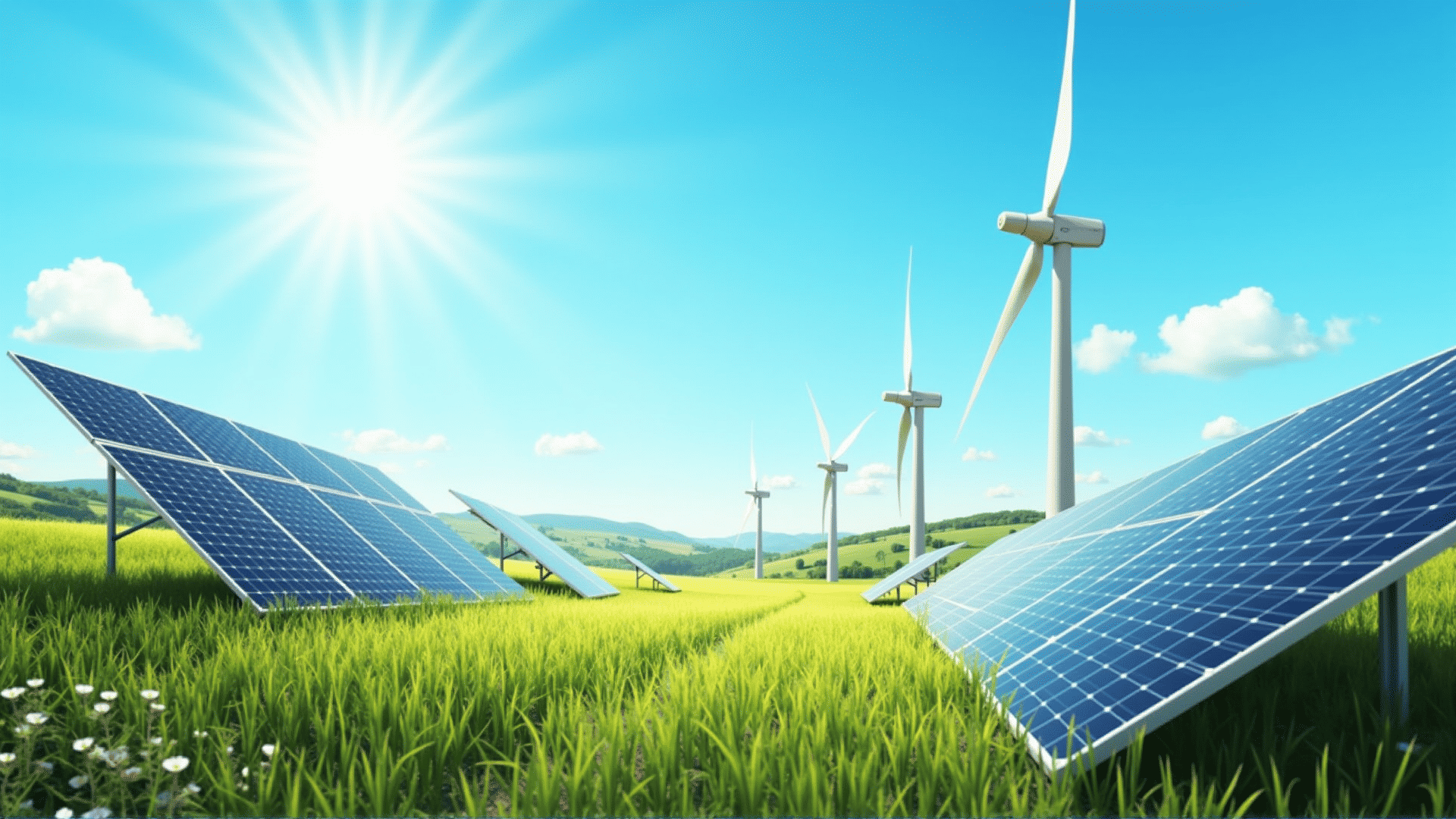
In recent years, the quest for sustainable energy sources has taken center stage, driving innovations and research in renewable energy like never before. At the heart of this paradigm shift lies an unwavering focus on solar and wind power, two of the most promising renewable energy sources that hold the key to a sustainable future.
Solar power, harnessed from the sun's abundant energy, has seen remarkable advancements over the past decade. Researchers around the globe are pushing the boundaries of solar technology to increase efficiency and decrease costs. A significant breakthrough in this domain is the development of perovskite solar cells. Unlike traditional silicon-based cells, perovskite cells boast a higher efficiency rate and can be produced at a fraction of the cost. Scientists are continually refining the stability of these cells, aiming to make them a mainstream option to bridge the energy gap in both urban and rural areas.
Furthermore, innovations such as solar paint and solar windows are being explored, which use photovoltaic materials that can be applied to various surfaces. These novel applications could transform any surface into a potential solar energy collector, revolutionizing how energy is harvested in urban landscapes. Integrating solar technologies into building materials promises not only to meet energy demands but also to enhance the energy independence of buildings and communities.
Wind power, on the other hand, remains a pillar in the renewable energy sector, characterized by its efficiency and ability to generate substantial amounts of energy. Research into wind power is primarily focused on optimizing turbine design and placement to enhance their output and reduce environmental impacts. Recent advancements in turbine technology include the development of bladeless designs and floating offshore wind farms. Bladeless turbines, which reduce noise and are less harmful to wildlife, offer an environmentally-friendly alternative to traditional turbines. Meanwhile, floating turbines, which can be deployed in deep waters, expand the potential areas for wind farms, tapping into stronger and more consistent wind patterns.
Moreover, energy storage solutions are an essential aspect of both solar and wind power. Innovations in battery technology—such as the development of more efficient, longer-lasting, and environmentally-friendly batteries—are crucial for storing energy generated from renewable sources. This allows for a smoother energy supply, accommodating periods when sunlight or wind availability is low.
The integration of AI and machine learning into renewable energy systems is another game-changer, allowing for smarter energy management and optimization. Predictive algorithms can analyze weather patterns, energy consumption, and grid demands, enabling more efficient energy distribution and minimizing waste.
The interplay of these innovations in renewable energy not only promises to curb reliance on fossil fuels but also offers a pathway to a cleaner, greener planet. By continuing to invest in research and refine technologies, the vision of a world powered predominantly by solar and wind energy becomes increasingly attainable. As these technologies mature and become more accessible, they hold the promise of reshaping energy paradigms and driving global sustainability efforts forward.