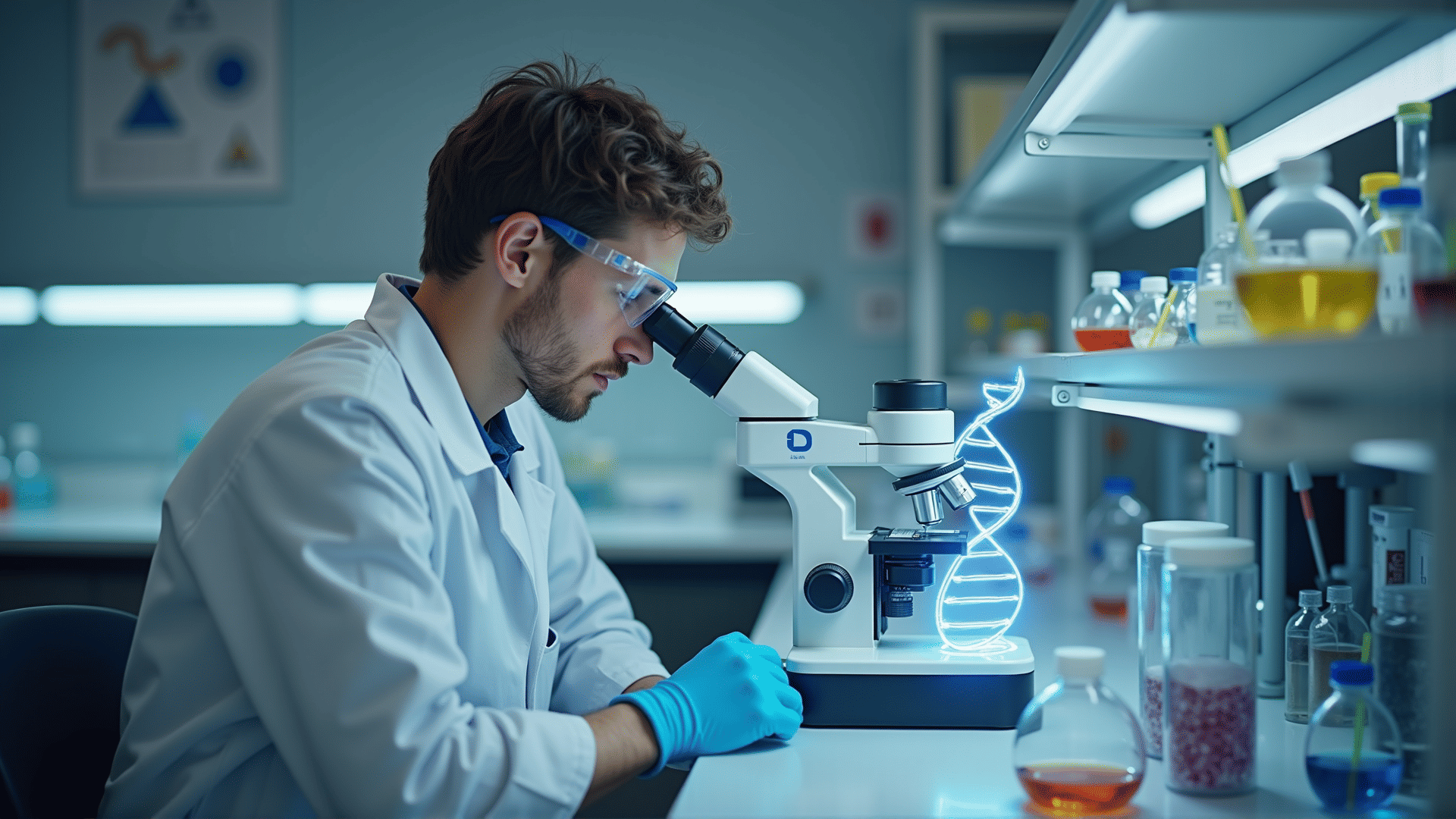
Genome editing, a revolutionary scientific advancement, is reshaping the landscape of medicine and agriculture by providing precise, targeted methods for modifying genes. This burgeoning field has progressed rapidly in recent years, driven by the development of tools like CRISPR-Cas9, TALENs, and ZFNs. These innovations are not only enhancing our understanding of genetics but also offering promising solutions to a host of challenges across various domains.
In the realm of medicine, genome editing holds the potential to treat or even cure genetic disorders that were once considered intractable. Diseases like cystic fibrosis, sickle cell anemia, and muscular dystrophy, caused by specific genetic mutations, can be targeted directly through these technologies. By precisely altering the genetic sequences within cells, researchers aim to correct disease-causing mutations, paving the way for durable, possibly life-long solutions.
One of the most talked-about breakthroughs is the use of CRISPR-Cas9, a tool that allows scientists to snip out defective pieces of DNA and replace them with correct sequences. This technology has already seen experimental success; for instance, in cases of sickle cell anemia where patients exhibited significant improvements after treatment. As research progresses, the applications for CRISPR may expand further into combating more complex diseases such as cancer and neurodegenerative disorders, potentially revolutionizing therapeutic approaches.
Aside from treating existing conditions, genome editing also opens the door to preventive interventions. With advancements in genetic screening technology, it may soon become feasible to predict and preemptively edit genes associated with susceptibility to certain diseases, heralding a new era in precision medicine.
In agriculture, genome editing is leading the charge in developing crops that are more resilient to environmental stressors, require fewer resources, and yield more nutritious produce. As climate change threatens global food security, the ability to engineer plants that can withstand drought, pests, and diseases is becoming increasingly vital. For instance, crops with enhanced photosynthetic efficiency or those capable of fixing nitrogen could drastically reduce dependence on fertilizers, leading to more sustainable farming practices.
Moreover, genome editing is instrumental in fortifying crops with enhanced nutritional profiles—for example, rice enriched with essential vitamins and minerals, which can combat malnutrition in regions heavily dependent on staple crops. These developments not only aim to increase the quantity and quality of food available but also to support healthful diets on a global scale.
Despite the promise of genome editing, ethical considerations and regulatory challenges abound. The potential for off-target effects, where unintended parts of the genome are altered, remains a concern. Furthermore, the prospect of editing human embryos has sparked significant debate regarding the moral implications and long-term impacts on genetic diversity. As such, a rigorous framework for oversight, public engagement, and international cooperation is needed to steer the development and application of these technologies responsibly.
In summary, the advancements in genome editing are bringing forth transformative possibilities in medicine and agriculture. While technological challenges and ethical considerations persist, the potential benefits for human health and food security are immense. As we navigate this complex landscape, collaboration among scientists, policymakers, and society will be crucial in harnessing the full potential of genome editing for the greater good.